



🌞 Solar Energy and Panels: Powering a Sustainable Future
Solar energy is one of the most promising renewable energy sources available today. It converts sunlight into electricity using solar panels, helping us reduce dependence on fossil fuels and lower greenhouse gas emissions. As the world moves toward clean energy solutions, solar power is becoming an essential part of both residential and commercial energy systems.
🔆 What is Solar Energy?
Solar energy is the power harnessed from the sun’s radiation. The sun produces an enormous amount of energy every second, and solar technology allows us to capture and convert that energy into usable electricity or heat.
🔧 What Are Solar Panels?
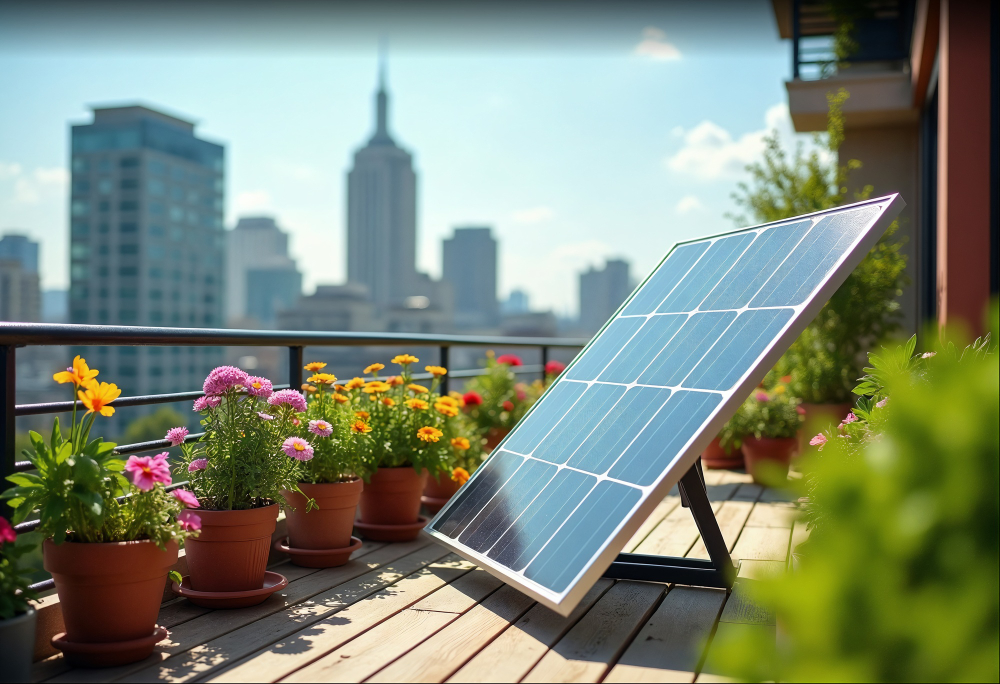
Solar panels (also called photovoltaic panels) are devices that capture sunlight and convert it into electricity. Each panel is made up of solar cells that use the photovoltaic effect to generate direct current (DC) electricity. An inverter then converts DC into alternating current (AC), which powers our homes and businesses.
✅ Benefits of Solar Energy
- Environment-Friendly – Reduces carbon footprint and pollution.
- Cost-Saving – Lowers monthly electricity bills over time.
- Energy Independence – Less reliance on traditional grid power.
- Low Maintenance – Solar panels last 20–25 years with minimal upkeep.
- Government Incentives – Tax credits, subsidies, and net-metering benefits in many countries.
🏠 Uses of Solar Energy
- Residential – Powering homes, lights, and appliances.
- Commercial – Reducing electricity costs for offices and factories.
- Agriculture – Solar water pumps and irrigation systems.
- Transportation – Solar-powered cars, boats, and even charging stations.
- Community Projects – Rural electrification and off-grid power supply.
⚡ Challenges of Solar Panels
- High Initial Cost – Installation can be expensive.
- Weather Dependency – Less efficient during cloudy days or at night.
- Space Requirement – Needs enough roof or land area for installation.
- Energy Storage – Batteries can be costly if off-grid solutions are used.
🌍 Future of Solar Energy
Solar technology is evolving rapidly. We are seeing innovations like bifacial panels, thin-film solar cells, and solar roof tiles. With falling panel prices and rising efficiency, solar power will play a key role in achieving global net-zero emission targets.
What is solar waterpump scheme?
The Solar Water Pump Scheme is a government-supported program that helps farmers and rural communities use solar-powered pumps for irrigation and water supply.
Instead of running pumps on diesel or electricity, these schemes encourage farmers to use solar energy, which is free, clean, and reliable.
🌱 Key Features of Solar Water Pump Schemes
- Solar-Powered Pump Installation – Farmers get solar pumps for drawing water from wells, ponds, or rivers.
- Government Subsidy – A large part of the pump cost (up to 30–90%) is covered by the government.
- Low Operating Cost – No fuel cost, no electricity bill.
- Eco-Friendly Solution – Reduces pollution and diesel use.
- Reliable Water Supply – Works even in remote areas where electricity is not available.
🌞 Benefits of Solar Water Pump Scheme
- Reduces farmers’ dependence on electricity and diesel.
- Helps in continuous irrigation during power cuts.
- Lowers farming cost and increases profit.
- Promotes green and sustainable farming.
- Improves productivity by ensuring timely water supply.
⚡ Example: PM-KUSUM Scheme (India)
In India, the PM-KUSUM (Pradhan Mantri Kisan Urja Suraksha evam Utthaan Mahabhiyan) scheme is one of the biggest solar pump programs.
- Farmers get subsidized solar pumps (3 HP to 10 HP).
- Can sell extra electricity generated back to the grid for extra income.
- Encourages solar-powered agriculture and reduces CO₂ emissions.
What is PM Surya Ghar: Muft Bijli Yojana?
- The scheme was announced by the Prime Minister of India on 13 February 2024.
- Full name: Pradhan Mantri Surya Ghar: Muft Bijli Yojana. The aim is to promote rooftop solar power in homes, reduce electricity bills, and move toward cleaner energy.
- Total outlay / budget: about ₹75,021 crore for implementation up to Financial Year 2026-27.
- Target: To benefit one crore (10 million) households across India by enabling them to generate their own electricity via rooftop solar systems and provide them with up to 300 free electricity units per month.
⚙️ How the Scheme Works
Here are some of the key components and mechanics:
| Component | Details |
|---|---|
| Subsidy | For rooftop solar systems: • Up to 2 kW capacity: subsidy ~ 60% of system cost. • For 2-3 kW capacity: subsidy ~ 40% of system cost. • Subsidy is capped at 3 kW capacity; i.e. even if system is larger, subsidy amount won’t increase beyond what’s set for 3 kW. |
| Subsidy Amounts (Benchmark) | Approximate subsidies at current benchmark rates: • 1 kW: ~ ₹ 30,000 • 2 kW: ~ ₹ 60,000 • 3 kW (or higher up to cap): ~ ₹ 78,000 |
| Free Electricity | Households with eligible rooftop solar installations will get up to 300 units of free electricity per month. |
| Implementation Agencies | The scheme is implemented jointly by: National Programme Implementation Agency (NPIA) at central level State Implementation Agencies (SIAs) — typically DISCOMs or equivalent in each state/UT |
| Facilitative Measures | For successful installation and usage: Empanelled vendors for rooftop solar installation Availability of net meters Timely inspection & commissioning Integration with local bodies (Panchayats, municipalities) for awareness and promotion. |
👤 Who is Eligible
Some eligibility criteria include:
- Must be an Indian citizen.
- Must own a house with a roof suitable for installing solar panels.
- Must have a valid electricity connection.
- Should not have already availed another subsidy for solar panels.
💡 Benefits of the Scheme
- Reduces or potentially removes monthly electricity bills for eligible households (for up to 300 units/month).
- Encourages increased adoption of solar power rooftops, helping reduce carbon emissions, promote clean energy.
- Offers substantial subsidies to make rooftop solar affordable.
- Can generate additional income: excess power generated might be sold back to the grid (depending on local utility / net-metering rules).
⚠️ Challenges, Concerns & What to Watch Out For
- Even with subsidy and free units, there are implementation challenges: delays in providing net meters, registering vendors, completing inspections.
- Some states have additional charges or “minimum surcharges” for consumers who draw power from the grid at night or offset usage, reducing the “free” benefit.
- Matching of names across documents (electricity bill, Aadhaar, bank account) is required; mismatches can cause delays or rejection of subsidy.
- Roof conditions, local climate, space constraints, and availability of sunlight affect how much electricity a rooftop solar system actually generates. “300 units free” is the target/upper limit; actual benefit depends on capacity, efficiency, and local conditions.
What is PM-KUSUM Scheme?
The PM KUSUM scheme is a Government of India initiative launched in 2019 by the Ministry of New & Renewable Energy (MNRE). Its goal is to help farmers in India by promoting solar energy, ensuring energy security, reducing dependency on diesel, and increasing farmers’ income.
It aims to add about 34,800 MW of solar (and other renewable) energy capacity by March 2026 through a mix of solar plants and solarisation of irrigation pumps. There is central financial support of about ₹34,422 crore allocated.
Components of PM-KUSUM
The scheme has three main components:
| Component | Purpose | Key Features |
|---|---|---|
| Component A | Decentralised solar / Renewable Energy Power Plants (ground or stilt-mounted) | Capacity: 500 kW to 2 MW per plant. These can be set up by individual farmers / groups / cooperatives / Panchayats / Farmer Producer Organisations (FPOs) / Water User Associations (WUAs). Solar plants should ideally be installed within ~5 km of substations to reduce transmission losses. Power generated is purchased by DISCOMs at pre-fixed tariffs. |
| Component B | Stand-alone solar agriculture pumps (off-grid) | Installation of a large number (14-17.5 lakh) of solar pumps (up to certain HP) to replace diesel pumps or in areas without grid access. Farmers get subsidy/financial assistance. |
| Component C | Solarisation of existing grid-connected agriculture pumps | This involves “Individual Pump Solarisation” (the pump itself is solarised) and “Feeder Level Solarisation” (solar power provided through solarised feeders). The excess solar power generated (beyond irrigation needs of pump) can be sold back to the DISCOM. |
Financial Support & Subsidies
- Farmers get Central Financial Assistance (CFA) of about 30% of benchmark cost (or tender cost, whichever is lower) under Components B and C in most states.
- In special regions (North-Eastern states, hilly states / UTs like Himachal Pradesh, Jammu & Kashmir, Uttarakhand, Andaman & Nicobar Islands, etc.), the central support is higher, typically 50%.
- State governments also provide part of the subsidy. The rest of the cost is generally borne by farmers or via loans/other financing.
- There are incentives for DISCOMs to procure solar power under fixed tariffs, particularly for Component A.
Who Can Benefit / Eligibility
Some of the typical eligibility criteria are:
- Farmers, groups of farmers, cooperatives, panchayats, FPOs etc., who own or have rights on farmland or can manage solar projects.
- For Component B: in areas where grid supply is not available (off-grid), or where pumping is done by diesel or similar.
- For Component C: those with grid-connected agriculture pumps that can be solarised.
Benefits of PM-KUSUM
- Reduces cost of irrigation by replacing diesel pumps or reducing grid power dependence. Farmers save on fuel, and electricity bills.
- Enhances reliability of power supply for pumps during daylight. Better irrigation leads to improved crop yields.
- Encourages farmers to generate additional income by selling excess solar power to DISCOMs.
- Environmental advantages: reduction in fossil fuel use (diesel), less pollution, lower carbon emissions.
Challenges / Things to Note
- Upfront costs are still substantial; even with subsidy, farmers need awareness of financing, subsidies, and maintenance.
- Solar power generation depends on location, solar irradiance, seasonal variation, etc. Pumps may not always run at full capacity.
- Grid-infrastructure issues: For selling back excess power (Component C), proper net‐metering, meter installations, and agreements with DISCOMs are necessary.
- Implementation delays, bureaucratic processes, vendor empanelment, tendering, etc., can slow adoption.
- Farmer awareness and local capacity for installation/maintenance are critical.
Current Status / Progress
- The scheme has been extended until March 2026.
- The government has simplified some norms, raised capacity limits for special areas, relaxed certain procedural requirements, etc., to speed up implementation.
- As of recent figures, a significant number of solar pumps under Components B and C have been sanctioned and installed.